
Seven million people are currently waiting for NHS treatment. That's not a rounding error or a temporary surge — it's the sustained reality of healthcare access in the UK in 2026. The NHS waiting list stood at 7.29 million cases as of January 2026, a figure that remains 59% above pre-pandemic levels despite modest improvements over the past year (NHS England, 2026).
For millions of patients, this isn't an abstract policy statistic. It's a referral letter that arrives and then goes quiet. It's months of pain, worry, or declining mental health while waiting to see a specialist. The NHS 18-week constitutional standard — which requires 92% of patients to begin treatment within 18 weeks of referral — hasn't been met nationally since December 2015. That's over a decade of missed targets.
This article examines the scale of the crisis, which patients are most affected, and why private medical insurance demand has reached record levels in response. If you've been wondering whether PMI is worth it, the data may surprise you.
Key Takeaways
- The NHS waiting list has 7.29 million cases — 59% above pre-pandemic levels (NHS England, 2026)
- Only 59% of patients are treated within 18 weeks, against a 92% national target — last met in December 2015 (Nuffield Trust, 2025)
- 7.6 million UK adults now hold private medical insurance — up 900,000 since 2020 (Financial Lives Survey, 2025)
- Private hospital appointments are typically available within 48 hours vs a 13.6-week NHS median wait (PHIN, 2025)
- Health insurers paid a record £4 billion in PMI claims in 2024 — equivalent to £11 million every single day (ABI, 2026)
How Severe Is the NHS Waiting List in 2026?
The NHS waiting list contained 7.29 million cases (6.13 million individual patients) as of January 2026 — the lowest point in almost three years, but still 59% above the 4.57 million cases recorded before the pandemic in February 2020 (NHS England, February 2026). Progress has been made, but the scale of the problem remains enormous.
The median referral-to-treatment (RTT) wait has risen to 13.6 weeks — nearly double the 7.8-week figure recorded before the pandemic in January 2019 (BMA, January 2026). Of those currently waiting, 2.79 million people have been on the list for more than 18 weeks. A further 136,000 have waited over a full year — the lowest figure since June 2020, but still 136,000 people who've gone twelve months without treatment.
The NHS 18-week constitutional standard requires 92% of patients to begin treatment within 18 weeks of referral. As of January 2026, only 59% of patients meet that target. This standard hasn't been met nationally since December 2015. Put plainly: the NHS has been operating outside its own legal commitment for over a decade.
The NHS waiting list contained 7.29 million cases in January 2026, remaining 59% above pre-pandemic levels. The median referral-to-treatment wait stands at 13.6 weeks — nearly double the pre-pandemic figure of 7.8 weeks — and only 59% of patients receive treatment within the 18-week constitutional standard, a target unmet nationally since December 2015 (NHS England / BMA, 2026).
So what can you do about it? For many people, private medical insurance is the most direct answer — and the data suggests more UK adults are reaching the same conclusion.
Which Patients Face the Longest NHS Delays?
The 18-week performance figures vary sharply by specialty. Ear, nose and throat (ENT) has the worst record, with only 50% of patients seen within 18 weeks, followed by oral surgery at 51% and plastic surgery at 53% (Nuffield Trust, 2025). These are largely functional conditions — hearing problems, jaw pain, skin reconstruction after illness — not elective improvements, and the delays have real consequences for people's daily lives.

Mental health waiting times tell an even more troubling story. People waiting for mental health treatment are eight times more likely to wait over 18 months than those seeking physical health care, according to analysis of NHS data by Rethink Mental Illness (Rethink Mental Illness, February 2025). On 31 March 2025, 255,000 children and young people were on NHS mental health waiting lists. That's a quarter of a million children waiting for care that directly affects their development and wellbeing.
For employers, the consequences extend beyond individual wellbeing. Staff waiting months for treatment — or managing untreated anxiety and depression — face higher absence rates and reduced productivity. A team member waiting 18 months for mental health support isn't just a personal tragedy; it has a measurable business cost.
Mental health patients in England are eight times more likely to wait over 18 months for treatment than those seeking physical health care, with 255,000 children and young people on NHS mental health waiting lists as of March 2025 (Rethink Mental Illness analysis of NHS data, 2025). These delays carry direct costs for employers in staff absence, productivity loss, and workplace wellbeing.
Many business health insurance policies now include meaningful mental health cover — parity with physical health treatment that the NHS is currently unable to deliver.
Why Is Demand for Private Medical Insurance at Record Highs?
Seventy-one per cent of UK adults say they would consider using private healthcare — up from approximately 61% just two years earlier (IHPN Going Private Survey, 2025). When asked why they'd choose to go private, 46% cited difficulty accessing NHS services. People aren't choosing private healthcare for the private rooms. They're choosing it because they can't get treatment on the NHS fast enough.

As of 2024, 7.6 million UK adults hold private medical insurance — up 900,000 from 6.7 million in 2020, according to the Financial Lives Survey (2025). What's particularly significant is where that growth is coming from. It isn't just individuals making personal choices. Employers are increasingly providing group PMI as a standard benefit — recognising that a team with faster access to healthcare costs less in sick days and performs better.
Yvonne Lawler, Connect 2 Protect: "Over the past 18 months, I've seen a clear shift in who's enquiring. It used to be primarily larger corporates asking about group health schemes. Now I'm regularly speaking with sole directors, small business owners, and individuals who've personally experienced long NHS waits — sometimes waiting six to nine months for something that was affecting their ability to work. The conversation has changed. People aren't asking 'should I get private health insurance?' They're asking 'how quickly can I get it, and what's it going to cost?'"
71% of UK adults said they would consider using private healthcare in 2025 — up from approximately 61% two years prior — and 46% of those who chose to go private cited difficulty accessing NHS services as their main reason (IHPN Going Private Survey, 2025). This marks a fundamental shift: going private is no longer a luxury choice for the wealthy. It's an access strategy for people who can't afford to wait.
What Does the Record PMI Data Tell Us About Healthcare Demand?
Total private healthcare admissions hit a record 939,000 in 2024 — 3% above 2023 — with PMI-funded admissions growing 6% year-on-year to 664,000 cases (PHIN, 2025). Momentum continued into 2025: Q1 alone recorded 240,730 private admissions, the second-highest quarterly total ever. These aren't people testing a luxury product — they're people who needed treatment and went private to get it.

The Association of British Insurers confirmed that health insurers paid out a record £4 billion in claims in 2024 — up 13% on 2023's £3.57 billion, and equivalent to £11 million paid out every single day (ABI, January 2026). Workplace health scheme claims alone reached £2.6 billion — a 16% increase — reflecting how strongly employer-funded PMI is growing. The UK health cover market reached £8.64 billion in 2025, a 13.83% year-on-year increase (LaingBuisson Health Cover UK Market Report 21st Edition, October 2025).
We observe something the headline figures don't fully capture: a growing proportion of new PMI clients are buying proactively, not reactively. They're not waiting for a health scare or a cancelled NHS appointment. They're treating private cover as a planning decision — like income protection or critical illness cover — that makes sense to have in place before you need it. That shift in mindset is part of what's driving both record coverage numbers and record claim figures at the same time.
Health insurers processed a record £4 billion in private medical insurance claims in 2024 — up 13% on 2023 and equivalent to £11 million paid out every single day — with workplace scheme claims alone reaching £2.6 billion, a 16% year-on-year increase (Association of British Insurers, January 2026). Total private admissions hit a record 939,000 in 2024 (PHIN, 2025).
How Quickly Can You Actually Access Private Treatment?
Private hospital appointments are typically available within 48 hours, and most elective procedures are measured in days to weeks rather than months (PHIN, 2025). Compare that to the NHS median wait of 13.6 weeks — and potentially 18 months or more in specialties like ENT, oral surgery, and mental health — and the practical difference is stark. It's the difference between starting treatment next Tuesday and waiting until autumn.
What does a standard private medical insurance policy actually cover? Most policies from providers like Bupa, Aviva, Vitality and The Exeter include inpatient treatment, day-patient procedures, outpatient consultations (up to defined limits), diagnostic tests, and cancer care. Mental health cover has improved significantly in recent years, with most modern policies now offering meaningful access to talking therapies and psychiatric care — the kind of support the NHS is currently least able to deliver quickly.
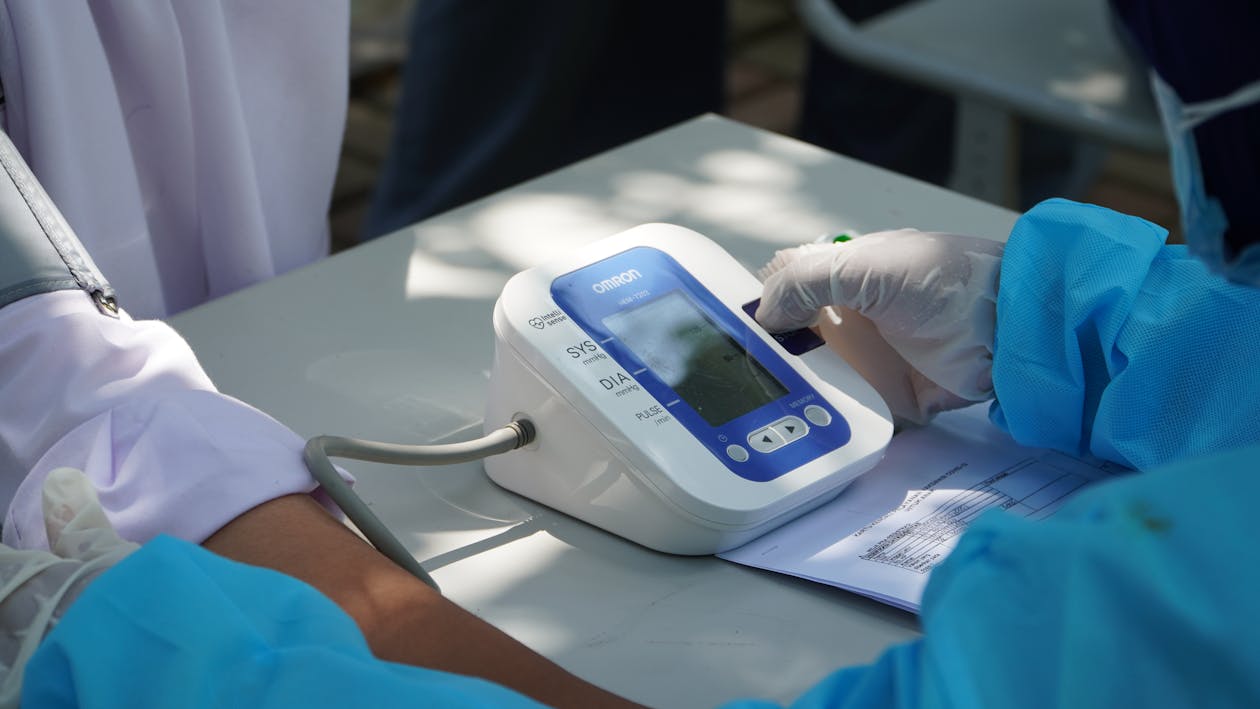
Does it replace the NHS entirely? No — and it's not meant to. Most PMI policies exclude pre-existing conditions (though some underwriting options can cover certain conditions after a symptom-free period), and they don't typically cover emergency A&E treatment or maternity. Think of private medical insurance as a fast-access channel for the kind of planned, specialist treatment where NHS waits are longest. You keep your NHS entitlement; you add a private option for when time matters.
Private hospital appointments in the UK are typically available within 48 hours, with most elective procedures completed in days to weeks (PHIN, 2025). Against an NHS median referral-to-treatment wait of 13.6 weeks — and 18+ month waits in mental health and several surgical specialties — private medical insurance provides access to treatment in a timeframe that can make a meaningful difference to health outcomes and quality of life.
Should Employers Offer Private Medical Insurance as a Staff Benefit?
4.8 million employees are now covered by employer-funded workplace health schemes — the second consecutive 30-year record (ABI, 2026). Meanwhile, 62% of UK adults believe employers should offer private healthcare as a standard employment benefit (IHPN, 2025). In a tight labour market, the absence of a health benefit is increasingly visible — and increasingly noted in recruitment conversations.
What does group health cover cost for smaller businesses?
For small businesses and SMEs, group schemes don't have to be expensive. Premiums are calculated based on the number of employees, their ages, and the level of cover selected. Providing fair market analysis, Connect 2 Protect compares plans across every major provider to find the most cost-effective option for your specific team. What's right for a 5-person firm is different from what works for a 50-person business. For a full cost breakdown, see our guide to business health insurance costs in 2026.
Is employer-funded PMI tax efficient?
What we're seeing at Connect 2 Protect: "A few years ago, group health scheme enquiries came almost entirely from companies with 20 or more employees. That's shifted noticeably. Now a significant portion of our business health insurance conversations are with smaller firms — sole directors, two-partner professional practices, small construction companies. What's changed isn't the product; it's the NHS context. Business owners who've had a member of staff wait four or five months for a musculoskeletal referral — or who've watched a colleague struggle without mental health support for almost a year — start thinking about cover very differently. They're not asking whether it's worth it. They're asking how quickly they can get it set up."
— Yvonne Lawler, independent adviser, Connect 2 Protect
There's also a tax dimension worth noting. Employer-paid PMI premiums are a deductible business expense. Relevant life policies, often combined with health cover packages, offer further tax efficiency for company directors and senior staff. Combined with the reduction in absence costs that comes from faster access to treatment, the business case for group health insurance frequently pays for itself. Find out more about business protection options for directors.
4.8 million UK employees are now covered by employer-funded workplace health schemes — the second consecutive 30-year record — and 62% of UK adults believe employers should provide private healthcare as a standard benefit (ABI, January 2026; IHPN, 2025). For SMEs, employer-paid PMI premiums are also a tax-deductible business expense, improving the real-terms cost of providing the benefit.
Get Your Free Private Medical Insurance Quote
Frequently Asked Questions
How long is the average NHS wait for treatment in 2026?
The median referral-to-treatment (RTT) wait is 13.6 weeks as of January 2026 (BMA / NHS England, 2026) — up from 7.8 weeks before the pandemic. In specialties such as ENT, oral surgery, and mental health, waits can be substantially longer, with some patients waiting 18 months or more for an appointment. The NHS 18-week standard hasn't been met nationally since December 2015.
Does private medical insurance cover pre-existing conditions?
Coverage for pre-existing conditions varies by policy and underwriting type. Most standard policies exclude conditions diagnosed before the policy began, though some providers offer moratorium or full medical underwriting options that may include certain conditions after a defined symptom-free period. Speaking to an independent broker providing fair market analysis gives you access to every option across the market and clear guidance on what each policy will and won't cover for your specific situation.
How much does private medical insurance cost in the UK?
Premiums depend on your age, health history, level of cover, and chosen provider. A basic individual policy can start from approximately £50–£80 per month, though comprehensive plans with mental health cover, outpatient care, and cancer cover will cost more. Providing fair market analysis, Connect 2 Protect compares quotes across Bupa, Aviva, Vitality and The Exeter to find the best value for your circumstances. Request a free no-obligation quote.
Can my employer pay for private health insurance on my behalf?
Yes. Employer-funded group health insurance is common and the premium payments are a tax-deductible business expense. The value of the cover is treated as a P11D taxable benefit in kind for the employee, but many employees find this a worthwhile trade-off for fast access to treatment. With 4.8 million employees now covered by workplace health schemes (ABI, 2026), employer-funded PMI has become a standard part of the benefits landscape.
Is private medical insurance worth it if I'm generally healthy?
Private medical insurance isn't only for people who are already unwell — it's for getting fast treatment when you need it. Given that the NHS median wait is now 13.6 weeks and rising in many specialties, even a single outpatient referral or day-case procedure could mean months of delay without cover. Many policyholders go years without making a claim, but the speed of access and choice of specialist are what they're paying for. For most people the question isn't whether they can afford private health insurance — it's whether they can afford not to have it.
The Bottom Line
NHS waiting times aren't a short-term problem. They reflect a structural gap between NHS capacity and patient demand that's been widening for over a decade. For individuals, families, and businesses across the UK, private medical insurance has shifted from a luxury to a practical response to a broken access pipeline.
The evidence is clear: 7.6 million UK adults now hold PMI, record numbers are using private healthcare, and employers are recognising the case for covering their teams. The question isn't whether to think about private cover — it's what level of cover makes sense for your circumstances, and how quickly you can get it in place.
At Connect 2 Protect, we compare every major provider on your behalf as an independent broker providing fair market analysis — with no obligation and no pressure. Contact Connect 2 Protect today for a free, no-obligation quote.
If you're an employer weighing up whether to offer health cover to your team, our guide to business health insurance costs in 2026 sets out what group schemes actually cost, how the tax treatment works, and five ways to keep premiums competitive.